
Marcus had his Berkeley garage floor coated three years ago. Looked great for about eighteen…
Windang
Epoxy Floor Maintenance: How to Protect Your Investment in Windang
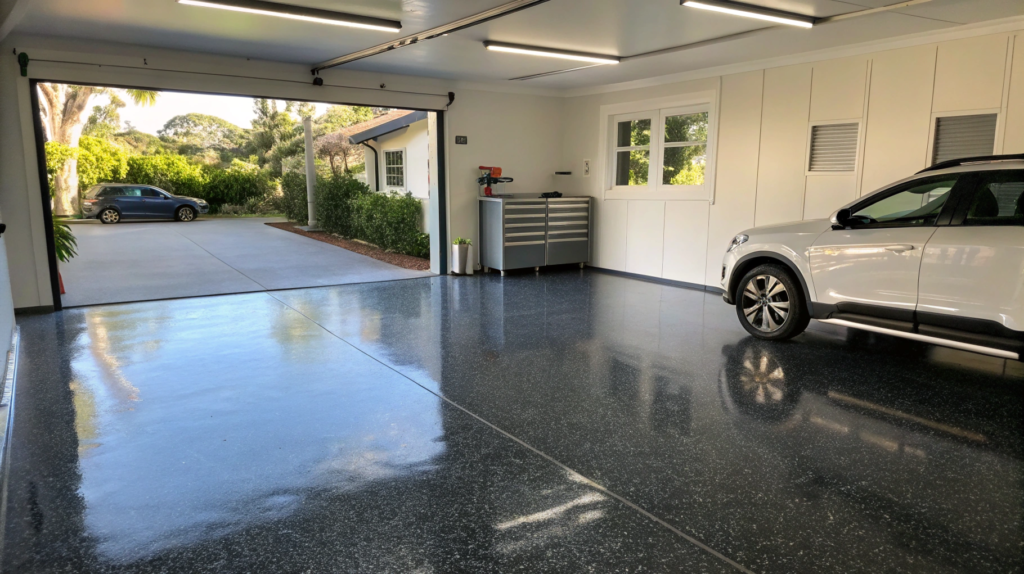
Epoxy flooring is one of the smartest upgrades Windang homeowners and business owners can make. Tough, seamless, and built to handle everything from coastal humidity to heavy workshop traffic, a professionally installed epoxy floor is designed to go the distance. With the right care routine, you’re looking at a surface that stays sharp, functional, and impressive for well over a decade.
The great news is that maintaining your epoxy floor is genuinely straightforward. A few simple habits tailored to Windang’s coastal environment — accounting for the salt air off Lake Illawarra, seasonal humidity, and sandy foot traffic — are all it takes to protect your investment long-term. This guide walks you through a practical, easy-to-follow maintenance plan built specifically for the Illawarra region, so your floor keeps performing exactly the way it was designed to.
Why Epoxy Floor Maintenance Matters in Windang
Epoxy is one of the most resilient flooring systems available — but like any quality surface, it rewards those who look after it. In Windang and across the broader Illawarra region, the local environment adds a layer of consideration that makes proactive care particularly worthwhile. The good news is that a little attention goes a long way, and the payoff is a floor that continues to perform and impress year after year.
How Coastal Conditions Affect Your Floor’s Lifespan
Windang’s position along the coast, with Lake Illawarra to the west and the ocean to the east, creates a unique microclimate that affects everything from timber to concrete. Salt-laden air, elevated humidity levels, and the constant presence of fine sand carried on coastal breezes are the key environmental factors that interact with floor surfaces. Epoxy handles these conditions exceptionally well compared to most alternatives — particularly when the installation has been correctly prepared for the local climate. Maintaining that performance is simply a matter of keeping the surface clean, protected, and inspected at the right intervals.
Properties in lower-lying areas near Lake Illawarra may also experience occasional ground moisture movement, which makes surface inspections particularly valuable. Catching any early signs of moisture interaction at the edges or seams means you can address them quickly and easily, before they have any chance to develop further.
What Proper Care Saves You Long-Term
A well-maintained epoxy floor in the Illawarra region can comfortably serve a residential garage, workshop, or commercial space for well over a decade without needing major intervention. The cost of that maintenance — in time, products, and occasional professional attention — is a fraction of what restoration or replacement would involve. More importantly, ongoing care preserves the appearance and functionality that made epoxy the right choice in the first place. You keep the gloss, the seamless finish, the resistance to staining, and the professional look that adds genuine value to your property.
Your Epoxy Floor Maintenance Schedule
Consistency is the foundation of good epoxy floor care. The great news is that the routine is genuinely light — split across daily, weekly, monthly, and annual intervals, it adds up to very little effort while delivering outstanding long-term results.
Daily Habits (2 Minutes)
Daily, the priority is keeping abrasive particles off the surface. In Windang, this primarily means sand and grit tracked in from outside. A simple dry dust mop or soft-bristled broom sweep at the end of the day removes the particles most likely to dull the surface over time. This is particularly important for garages, workshops, and any space with regular foot or vehicle traffic.
If spills occur — oils, chemicals, food, or drinks — attending to them promptly is the best approach. Epoxy is highly resistant to most substances, but leaving spills to sit unnecessarily is never ideal. A quick wipe with a clean cloth is all it takes in most cases.
Weekly Cleaning Routine (15 Minutes)
Once a week, a light damp mop using warm water and a pH-neutral cleaner keeps the surface fresh and free from the fine salt residue that coastal air deposits over time. This is particularly relevant for Windang properties — salt accumulation on floors is subtle but consistent in this environment, and a weekly clean ensures it never builds up to a point where it affects the surface.
Avoid harsh chemical cleaners, acidic solutions, or products containing citrus, vinegar, or strong solvents. These can dull the finish over time and compromise the coating’s integrity. Stick to cleaners recommended for epoxy surfaces, or ask your installer for a specific product recommendation suited to the Illawarra climate.
Monthly Deep Maintenance (30 Minutes)
Once a month, give the floor a more thorough inspection and clean. This involves moving any furniture, equipment, or vehicles to access the full floor area, then mopping thoroughly with your pH-neutral solution. Pay particular attention to the edges and joins where walls meet the floor — these are the areas most likely to accumulate residue and, in coastal environments, the areas where any moisture-related issues would first become apparent.
Check that protective felt pads under furniture legs and equipment feet are still in good condition. These small additions make a significant difference in preventing surface scratches over time, and they’re easy to replace if worn.
Annual Professional Inspection
Once a year, it’s worth having a professional epoxy flooring contractor take a look at your floor. A trained eye will pick up early signs of wear, surface dulling, or edge movement that may not be obvious to the untrained observer. In coastal areas like Windang, an annual inspection also confirms that the floor’s moisture barrier properties remain intact — an important consideration for properties close to Lake Illawarra or in areas with seasonal water table fluctuation.
An annual inspection also keeps you informed about when a maintenance recoat might be appropriate, allowing you to plan proactively rather than reactively. Your installer will typically offer this service and can advise based on your specific floor system and usage patterns.
Protecting Epoxy Floors from Everyday Damage
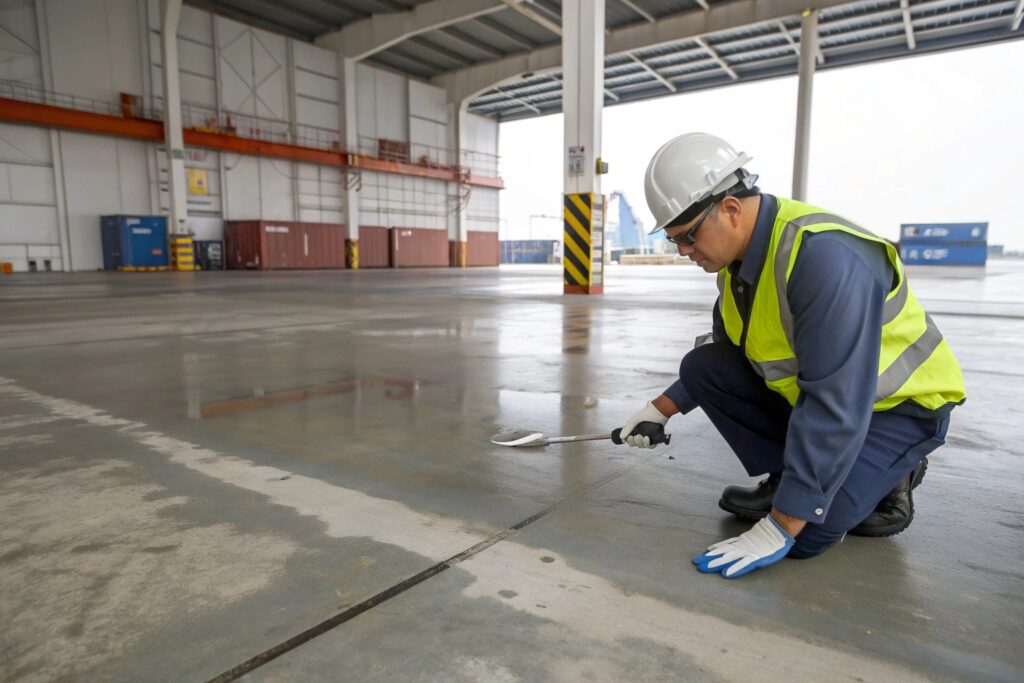
Prevention is always easier than repair, and epoxy floors are no different. The everyday habits and simple protective measures below are all it takes to keep your floor looking exactly as it should.
Furniture and equipment protection starts with felt pads or rubber feet on anything that sits on the floor. In garages and workshops, where heavy equipment may be moved regularly, consider rubber mats in high-activity zones. These add a buffer between hard metal feet and the surface, eliminating the main source of surface scratching in these environments.
Entry mat systems are especially valuable for Windang properties. Placing quality mats at every entry point captures the sand and grit that coastal foot traffic brings in before it reaches the epoxy surface. A two-mat system — one coarse outdoor mat followed by a softer indoor mat — is highly effective and simple to maintain. The mats do the work, so your floor doesn’t have to.
For garages used as workshops, chemical spill prevention comes down to good storage and work habits. Keeping oil, solvents, and cleaning chemicals in sealed containers and using drip trays under vehicles are practical measures that protect your floor from the substances most likely to cause staining. Epoxy is highly chemical-resistant, but concentrated substances left sitting for extended periods can still affect the surface over time.
Vehicle entry is worth a brief mention for residential garages. Allowing vehicles to cool slightly before parking on the floor is a good habit, as hot tyre rubber can occasionally leave marks on epoxy surfaces — particularly in the peak summer heat that Windang experiences during January and February.
Maintaining Epoxy Floors in Coastal Environments
Living and working in Windang comes with the genuine advantages of a coastal lifestyle — and a few specific maintenance considerations for building materials and surfaces. Epoxy flooring handles coastal conditions better than most alternatives, and with the right approach, your floor will continue to thrive in this environment.
Salt Air Protection Strategies
The consistent coastal breeze that Windang residents enjoy also carries fine salt particles that settle on all surfaces over time. For epoxy floors, the primary impact of salt accumulation is a gradual build-up of residue that, if left unaddressed, can affect the surface’s appearance and long-term gloss retention. The weekly pH-neutral clean described earlier is the most effective response to this — it’s simple, quick, and removes salt deposits before they accumulate to a meaningful level.
For commercial properties or high-exposure areas such as garages with open roller doors facing the coast, slightly more frequent surface wipes during periods of strong onshore winds can make a noticeable difference during peak seasons.
Managing Humidity and Condensation
Windang’s coastal humidity creates conditions where condensation can form on cool surfaces, particularly in garages and sheds during seasonal temperature shifts. A professionally installed epoxy floor with a proper moisture barrier handles this well, but good ventilation remains an important complement to that protection. Keeping garage or workshop spaces well-ventilated — particularly during cooler months — reduces the opportunity for condensation to accumulate under vehicles or equipment.
Sand Abrasion Prevention
Fine beach and lake sand is one of the most consistent abrasive threats to any floor surface in Windang. The particles are small enough to be carried on footwear without much notice, but consistent enough in this environment to gradually dull an epoxy surface without regular intervention. The combination of entry mats, regular dry sweeping, and the weekly damp mop is your complete answer to sand abrasion — and it works extremely well when applied consistently. For properties with direct beach or lakeside access, spending a moment at the entry to remove footwear before entering is the simplest and most effective sand management strategy available.
Early Warning Signs Your Epoxy Floor Needs Attention
One of the key advantages of epoxy flooring is that it communicates well. The early signs that a floor needs attention are visible and straightforward to interpret — and catching them early means you can respond quickly, easily, and at low cost.
- Surface dulling: All epoxy floors experience some gloss change over time, but uneven or patchy dulling suggests abrasion patterns worth addressing with a professional polish or buffing service.
- Edge lifting or delamination: Any separation of the coating at edges or joins warrants prompt professional attention. Caught early, it is a straightforward repair.
- Yellowing or discolouration: Most common in areas exposed to direct sunlight without a UV-stable topcoat. A UV-protective recoat resolves this effectively.
- Micro-cracking: Fine surface cracks from repeated impact are typically cosmetic and easily repaired. Cracks that follow concrete lines or appear to grow over time deserve a professional assessment.
The consistent message across all of these signals is the same: early attention is always the easiest and most cost-effective approach.
For commercial property owners and facility managers, the WorkSafe Queensland flooring safety guidelines provide a useful reference for assessing surface maintenance obligations and slip resistance requirements in workplace environments.
Seasonal Maintenance for Windang Properties
Windang’s seasons bring distinct conditions that influence how you approach floor maintenance throughout the year. A seasonally aware routine ensures your floor is always prepared for what’s coming.
Summer Care (UV and Heat)
Windang summers are warm, sunny, and often accompanied by strong onshore breezes. For epoxy floors, the primary summer considerations are UV exposure and heat. Garages and outdoor-adjacent spaces benefit from shade arrangements or UV-protective window film where possible, reducing direct sun exposure that can affect floor colour over time. Keeping garage doors closed during the hottest parts of the day where practical is a simple step with a meaningful impact.
Increased foot traffic during summer — with family members and visitors moving between outdoor and indoor spaces regularly — makes the entry mat routine particularly valuable. Summer also brings more frequent coastal activities that deposit sand, so the daily sweep becomes especially important during this season.
Winter Moisture Management
Illawarra winters are mild compared to much of Australia, but they bring increased rainfall and higher atmospheric moisture levels worth accounting for. Ensuring your floor’s drainage areas remain clear and that any gaps or cracks in surrounding walls or doorframes are sealed reduces the potential for moisture ingress around the floor perimeter. Condensation is more likely during cooler months, particularly in garages where the temperature differential between outside and inside is more pronounced. Good ventilation practice — leaving a small opening for air circulation where practical — keeps moisture from settling.
Pre and Post-Storm Preparation
The Illawarra coast occasionally experiences strong storm events, particularly during spring and early summer. Before a forecast storm, taking a few minutes to clear drainage paths around your property and ensure garage door seals are functioning properly protects your floor from water ingress during heavy rain. After significant storm events, inspect the floor and perimeter for any water that may have entered, and use a dry mop to remove any pooled moisture promptly. A quick post-storm inspection gives you peace of mind and confirms your floor has come through in good shape.
DIY Maintenance vs. Professional Epoxy Floor Services
One of the most appreciated qualities of epoxy flooring is how much of its maintenance is genuinely DIY-friendly. The day-to-day and week-to-week care outlined in this guide is comfortably within reach of any homeowner or business owner, requiring nothing more than basic equipment and a consistent routine.
What Homeowners Can Confidently Handle
The full regular maintenance schedule — daily sweeping, weekly damp mopping, monthly deep cleans, and surface inspections — is comfortably within DIY territory. So is the replacement of furniture pads and entry mats, and the prompt clean-up of surface spills. With the right pH-neutral cleaning product and a soft mop, Windang homeowners can keep their epoxy floors looking excellent with minimal time investment. Minor surface buffing to restore gloss in lightly worn areas is also something many homeowners tackle themselves using a soft polishing pad — your installer can advise on the appropriate approach for your specific floor system.
When to Call a Professional
Professional involvement is most valuable at three points: your annual inspection, any time you notice edge lifting or delamination, and when considering a recoat or restoration. These are tasks where professional knowledge of the floor system, correct product selection, and proper surface preparation make a significant difference to the outcome.
For Windang and Wollongong properties, working with a local epoxy flooring professional who understands the Illawarra climate is a genuine advantage. Homeowners wanting a benchmark for quality workmanship can also reference the NSW Fair Trading Guide to Standards and Tolerances — a useful official reference when assessing any professional flooring work.
Extending the Lifespan of Your Epoxy Floor
A professionally installed epoxy floor in Windang, maintained with the practices outlined in this guide, is built for the long term. There are a handful of additional strategies that take your floor from lasting well to genuinely outstanding longevity.
Recoating vs. Full Replacement
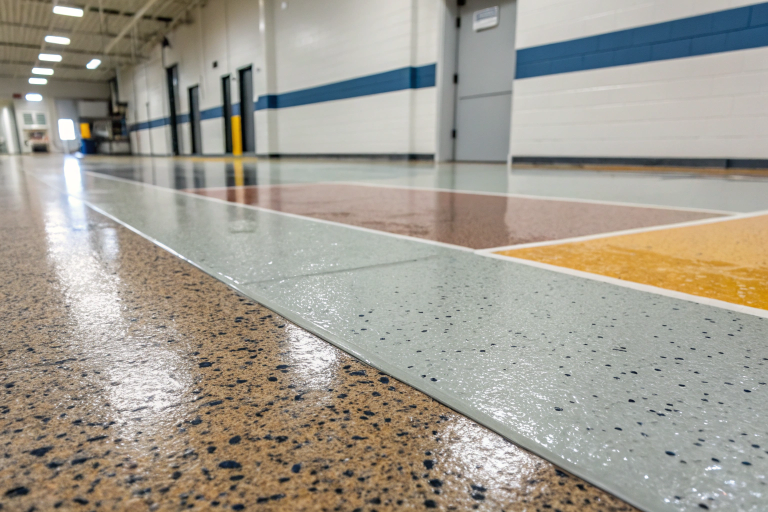
Recoating is the most cost-effective way to extend an epoxy floor’s life well beyond its initial installation. A maintenance recoat — where a fresh topcoat layer is applied over the existing surface — restores gloss, reinforces chemical and abrasion resistance, and refreshes the floor’s appearance without the cost or disruption of a full replacement. Your annual professional inspection is the right time to discuss whether a recoat is on the horizon. When recoating is done proactively — before the surface reaches a point of significant wear — the preparation is minimal, and the result is excellent. Full replacement is only necessary in cases of significant substrate damage that cannot be addressed through repair — a scenario that consistent maintenance makes very unlikely.
Building a Long-Term Maintenance Record
Keeping a simple maintenance log is a habit that pays dividends over the life of your floor. Recording cleaning dates, products used, inspection findings, and any professional services ensures you have a clear picture of your floor’s history at any point. This is particularly useful when assessing whether a recoat is appropriate, as you can see exactly how the surface has been maintained and identify any patterns in wear or inspection findings.
A maintenance record also supports warranty compliance — many professional epoxy floor warranties require evidence of regular maintenance, and clear records mean that evidence is always readily available. For Windang homeowners considering a future property sale, a well-documented floor maintenance history is also a genuine selling point — it tells the story of a surface that has been respected and cared for.
Ready to discuss a maintenance plan for your Windang or Wollongong epoxy floor, or considering a professional inspection or recoat? Get in touch with Local Epoxy Flooring Wollongong — the Illawarra’s local epoxy specialists.
📍 317 Keira St, Wollongong NSW 2500 | 📞 0242026324 | View on Google Maps
\\\\\\\\\\\\\\\\\\\\\\\\\\\\\\\\\\\\\

