
Marcus had his Berkeley garage floor coated three years ago. Looked great for about eighteen…
Barrack Point
How to Maintain Epoxy Flooring in Coastal Properties: The Complete Care Guide for Barrack Point Homeowners
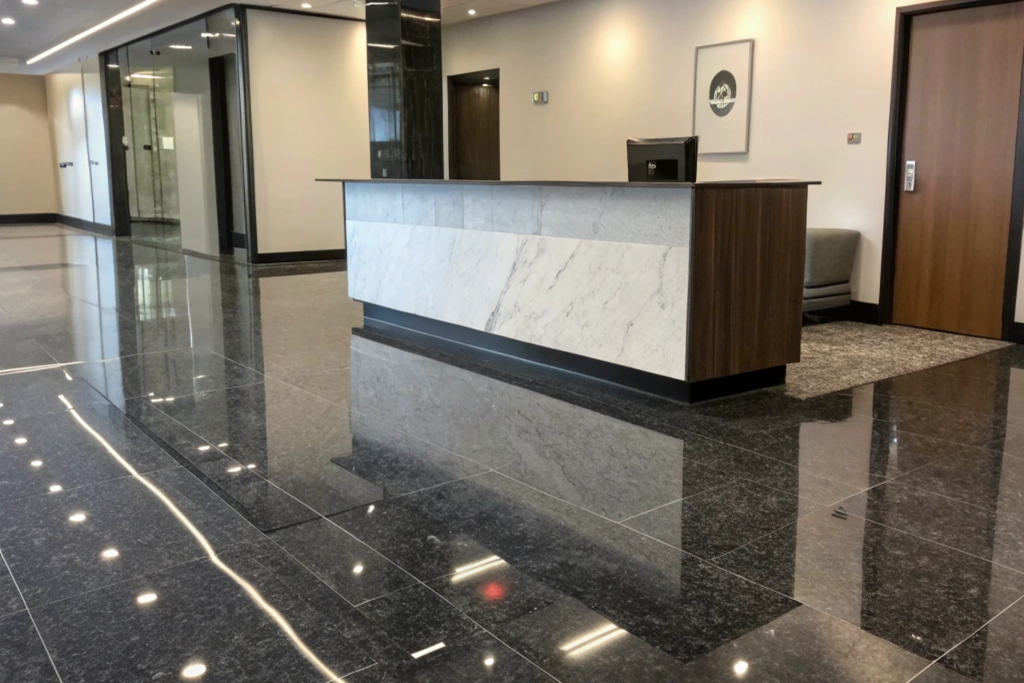
Epoxy flooring is one of the smartest investments a coastal homeowner can make — durable, beautiful, and built to handle the demanding conditions that come with living near the water. With the right care routine, a professionally installed epoxy floor in Barrack Point can maintain its gloss, colour, and structural integrity for 20 years or more. The key is understanding what coastal living demands and building simple habits that protect your floor season after season.
This guide gives you everything you need to get the most from your investment — daily and weekly cleaning routines, the best products for coastal conditions, seasonal maintenance schedules, recoating timelines, and expert tips for high-use areas like garages, patios, and boat storage spaces. Follow this playbook and your epoxy floor will look as impressive in year fifteen as it did on installation day.
Why Coastal Properties Require a Different Epoxy Maintenance Approach
Epoxy flooring performs exceptionally well in most environments — but coastal living introduces a unique combination of environmental stressors that standard care guides simply don’t account for. Understanding what your floor is up against is the first step to protecting it effectively.
How Salt Air Affects Epoxy Coatings Over Time
Salt particles suspended in the coastal air settle on every surface in your home, including your floors. Over time, salt deposits can penetrate micro-abrasions in the epoxy surface, gradually undermining the coating’s bond and finish. According to the Australasian Corrosion Association, salt-laden environments accelerate surface degradation across a wide range of coatings, and epoxy is no exception when left without a proactive maintenance programme.
The good news is that high-quality epoxy systems, when properly maintained, are among the most salt-resistant floor coatings available. Regular cleaning to remove salt accumulation is the single most effective defence you have.
UV Intensity, Sand and Humidity in the Illawarra Region
The Illawarra region receives significant UV exposure across the summer months, and UV radiation is the primary cause of epoxy yellowing and gloss degradation over time. Aliphatic polyurethane topcoats — which quality installers use in coastal settings — provide far superior UV resistance than standard epoxy finishes, but they still benefit from proactive care.
Sand is an abrasive. Every grain tracked in from Barrack Point’s beaches acts like fine sandpaper on your floor’s surface. Combined with Wollongong’s coastal humidity — which the Bureau of Meteorology records as consistently elevated across the warmer months — moisture management also becomes an important part of your maintenance routine. Addressing all three factors together is what separates a 20-year floor from a five-year one.
Daily and Weekly Epoxy Floor Care Routines
Good epoxy floor maintenance doesn’t require significant time or effort — but it does require consistency. These simple routines, built into your regular household schedule, will dramatically extend the life and appearance of your floor.
Sweeping and Dust Control Habits That Extend Floor Life
Daily sweeping or dust mopping is the foundation of coastal epoxy maintenance. Use a soft-bristle broom or a microfibre dust mop to remove sand, grit, and salt particles before they have the opportunity to work into the surface. This one habit alone can meaningfully reduce surface abrasion over the life of your floor.
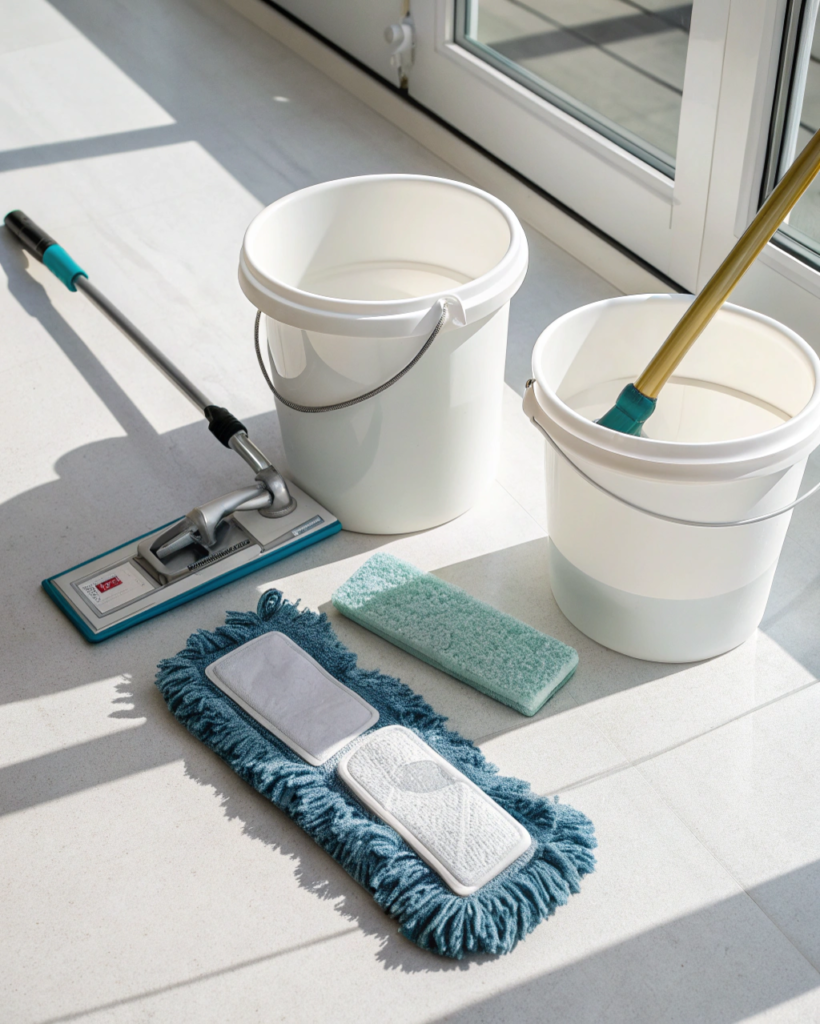
In high-traffic areas — particularly garage entries and outdoor entertaining spaces — a quick sweep after beach visits or outdoor activities is highly recommended. For homes with pets, daily sweeping prevents claw-deposited grit from accumulating.
Spot Cleaning Spills the Right Way
Epoxy floors are remarkably stain-resistant, but prompt attention to spills is still best practice. Blot oil, fuel, or chemical spills immediately using a clean cloth — do not wipe or spread. For food and drink spills, a damp microfibre cloth with a small amount of pH-neutral cleaner is all that’s needed.
Avoid leaving any liquid to pool or sit on outdoor epoxy surfaces, particularly in areas where condensation is common. While cured epoxy is moisture-resistant, persistent standing water in coastal conditions can eventually work into any microscopic surface imperfection.
Entrance Mat Strategies for Sandy Coastal Entries
Strategically placed entry mats are one of the most cost-effective investments a coastal property owner can make to protect their epoxy floors. Position heavy-duty scraper mats at all external entry points to capture sand, grit, and moisture before it reaches your floor. Inside entry points, add an absorbent mat to pick up residual moisture from footwear.
Replace or clean mats regularly — a saturated or grit-filled mat provides no protection and can itself become an abrasive surface. Choose mats with rubber or non-slip backing to prevent movement on epoxy surfaces.
How to Deep Clean Epoxy Floors Without Causing Damage
Monthly or quarterly deep cleaning maintains the gloss and hygiene of your epoxy floor while removing accumulated salt, grime, and product residue that routine sweeping doesn’t address.
Best Cleaning Products for Coastal Epoxy Floors
The safest and most effective cleaning solution for epoxy floors is a pH-neutral cleaner diluted in warm water. Many professional installers recommend dedicated epoxy floor cleaners, which are formulated to clean without stripping the surface’s protective topcoat. For light coastal grime, a few drops of clear dish soap in a bucket of warm water is a practical and effective alternative.
For stubborn salt residue or light biological growth common in coastal settings — algae, mould — a diluted white vinegar solution (1 part vinegar to 4 parts water) is safe for occasional use on most epoxy systems. Always confirm with your installer that this is appropriate for your specific coating.
Products to Avoid on Epoxy Surfaces
⚠️ Avoid These Products on Epoxy Floors. The following cleaning products can damage or degrade your epoxy coating and should never be used:
- Bleach or bleach-based cleaners — break down the epoxy binder over time
- Citrus-based degreasers — highly acidic, strips topcoats
- Ammonia or ammonia-based products — ccausesurface cloudiness and topcoat failure
- Steel wool, abrasive scourers, or stiff-bristle brushes — scratch the surface finish
- Soap-based floor cleaners with wax additives — leave a residue that dulls gloss and makes floors slippery
Mopping Techniques for a Streak-Free Finish
Use a microfibre flat mop rather than a traditional string mop for best results. String mops hold excessive water and can leave residue in the textured surface of non-slip coatings. Wring your microfibre mop thoroughly before application — you want the floor damp, not wet.
Mop in sections, working from the furthest point back to your exit. Allow the floor to air dry or buff dry with a clean microfibre cloth for a streak-free finish. In humid Wollongong conditions, ensure adequate ventilation to speed drying and prevent moisture from sitting on the surface.
Seasonal Maintenance Guide for Barrack Point Homeowners
Coastal conditions change throughout the year, and your maintenance approach should shift with the seasons. This calendar-based guide is tailored to the specific climate patterns of the Barrack Point and Lake Illawarra area.
Post-Storm Cleanup Procedures
The Illawarra coast experiences intense easterly weather events, particularly through autumn and winter. After any significant storm, inspect and clean your epoxy floors promptly. Wind-driven rain can deposit salt, sand, and organic matter on both indoor and outdoor epoxy surfaces. If water has entered a garage or covered entertaining area, remove standing water immediately using a squeegee or wet-dry vacuum.
Follow up with a full mop using a pH-neutral cleaner to remove salt residue. Check drainage points and entry seals to ensure water infiltration is addressed before the next weather event.
Summer UV Protection Strategies
Wollongong’s summer UV index regularly reaches extreme levels. For outdoor epoxy surfaces and garage floors with significant sun exposure, consider UV-protective mats or covers for areas receiving direct sunlight through open doors. While quality polyurethane topcoats provide strong UV resistance, minimising prolonged direct UV exposure will extend the topcoat’s service life.
Summer is also the time to inspect your floor’s gloss levels. If you notice dulling or slight discolouration in sun-exposed zones, schedule a professional inspection to assess whether a maintenance coat is warranted.
Managing Winter Moisture and Condensation
Coastal winters in the Illawarra region bring elevated humidity and persistent moisture. Condensation on cool epoxy surfaces is common, particularly in garages, and can make floors temporarily slippery. Ensure your space is adequately ventilated — a simple exhaust fan in a garage can dramatically reduce condensation buildup.
Winter is also the ideal time for your annual floor inspection. Cooler temperatures and lower UV levels mean any maintenance recoating work will cure in optimal conditions, and addressing minor wear before summer’s UV intensity arrives protects your investment proactively.
Protecting High-Use Areas in Your Coastal Home
Not all areas of your epoxy floor receive equal wear. High-use zones benefit from targeted protection strategies that extend their lifespan without requiring full-floor recoating.
Garage Entry Points and Tyre Contact Zones
Vehicle tyre contact zones experience concentrated mechanical stress and are exposed to oil, fuel residue, and road chemicals tracked in from the driveway. Place purpose-built tyre pads or heavy-duty anti-fatigue mats under regular parking positions to distribute load and protect the coating directly beneath tyres.
Clean these zones more frequently — weekly rather than monthly — using a degreaser safe for epoxy surfaces to prevent oil and rubber residue from bonding into the coating. Hot tyre pickup, where softened tyre rubber bonds to epoxy under braking heat, is best prevented by using a quality polyurethane topcoat at installation — another reason to ensure your installer specifies the right system for coastal garage use.
Boat Storage, Pool Decks and Outdoor Entertaining Spaces
These areas present the most demanding maintenance requirements in any coastal home. Boat trailers and marine equipment bring saltwater, sand, and mechanical loads directly onto your floor. Rinse equipment before storing whenever possible, and inspect the floor beneath stored equipment quarterly for any salt accumulation or moisture trapping.
Pool deck epoxy is subject to constant UV, chemical exposure from pool water, and foot traffic from wet swimmers. A non-slip aliphatic polyurethane topcoat is essential in these areas. For pool surrounds, rinse the floor weekly to remove chlorine and salt residue, and inspect the surface annually for any delamination at joints or penetrations.
When to Apply a Maintenance Coat to Your Epoxy Floor
Even the highest-quality epoxy installation will eventually show signs of wear — particularly in coastal environments where UV, salt, and humidity place ongoing demand on the surface. Knowing when to apply a maintenance coat is the difference between a simple top-up and a costly full resurfacing project.
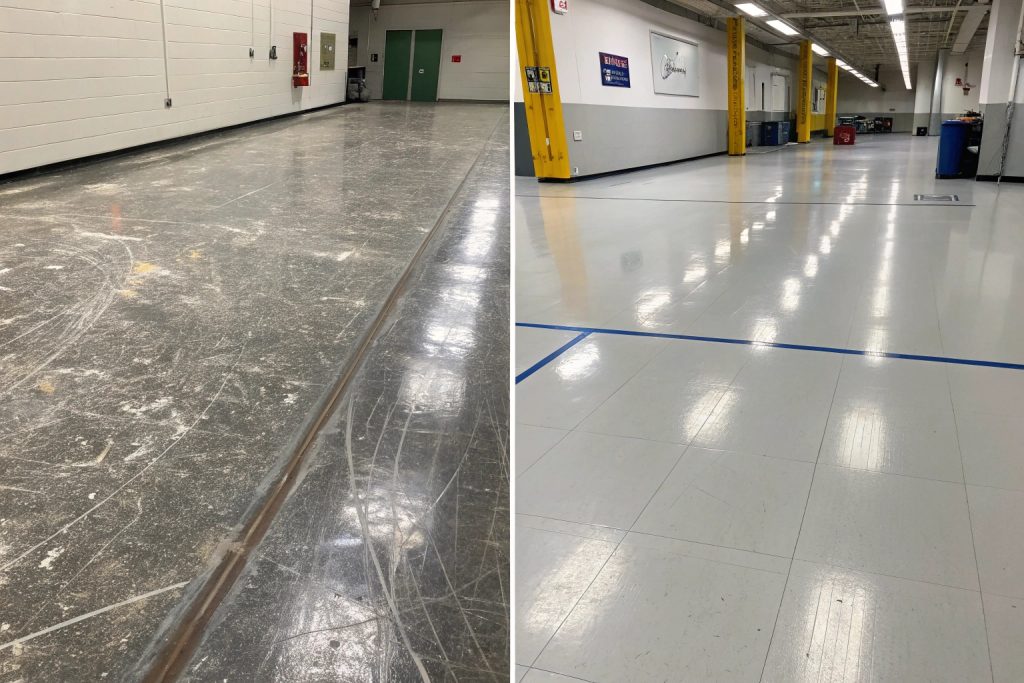
Signs Your Floor Needs Recoating:
- Visible dulling or loss of gloss, particularly in high-traffic zones or sun-exposed areas
- Surface feels rough or gritty despite regular cleaning
- Minor surface scratches or scuffs that no longer buff out
- Slight yellowing in UV-exposed sections
- Water no longer beads on the surface — a sign the topcoat is depleted
For coastal properties in the Barrack Point area, a maintenance recoat is typically recommended every 3 to 5 years for garage and interior floors, and every 2 to 4 years for exposed outdoor surfaces. These intervals vary depending on usage intensity, UV exposure, and the quality of the original installation.
DIY recoating kits are available, but for coastal properties where surface preparation is critical to adhesion and longevity, professional recoating is strongly recommended. Research from CSIRO’s building materials division confirms that coating adhesion in high-humidity coastal environments is highly dependent on correct surface preparation — a professional applicator will assess the existing coating, prepare the surface correctly, and apply the right product for your specific coastal conditions, ensuring the next maintenance cycle is just as long as the first.
| Area / Surface | Typical Recoat Interval | Key Trigger |
|---|---|---|
| Garage floor (sheltered) | 4–5 years | Loss of gloss, tyre zone wear |
| Indoor living spaces | 5–7 years | Surface texture change, dulling |
| Outdoor entertaining areas | 3–4 years | UV discolouration, water absorption |
| Pool deck / wet areas | 2–3 years | Surface roughness, edge delamination |
| Boat storage zones | 2–4 years | Salt residue, mechanical wear |
Troubleshooting Common Coastal Epoxy Floor Issues
Even well-maintained epoxy floors can develop minor issues over time. Here’s how to identify and address the most common challenges specific to coastal properties in the Wollongong area.
- Yellowing from UV exposure — Most common in sun-exposed garage openings and outdoor areas. Apply a UV-stable aliphatic polyurethane topcoat at the next maintenance recoat. Short-term, UV-protective mats in the affected zone reduce further discolouration.
- Minor scratches and scuffs — Light scratches in the topcoat can often be buffed out using a fine polishing compound designed for hard floor coatings. Deeper scratches that penetrate to the base coat require professional spot repair.
- Loss of gloss in high-traffic areas — Regular use of a hard floor polish compatible with your topcoat can restore surface sheen between recoating intervals. Confirm product compatibility with your installer before application.
- Salt deposits and white residue — Remove using a pH-neutral cleaner or diluted white vinegar solution. For heavy salt build-up around door entries or drainage points, a soft-bristle brush (not metal) and warm water are effective. Rinse thoroughly after cleaning.
- Surface cloudiness or haziness — Often caused by incompatible cleaning products or moisture trapped during application of a previous topcoat. A professional assessment will determine whether buffing or recoating is required.
💡 Pro Tip: When in doubt about any surface issue on your coastal epoxy floor, photograph it and send it to your installer for assessment before attempting any DIY repair. Catching problems early almost always leads to a simpler and more cost-effective solution.
Professional Epoxy Floor Maintenance Services in Wollongong
For Barrack Point and wider Illawarra homeowners, professional maintenance services offer the most comprehensive protection for your epoxy floor investment — particularly for outdoor surfaces, complex multi-zone installations, and floors approaching their recoating interval.
What a Professional Maintenance Service Includes
A professional epoxy floor maintenance visit typically includes a full surface inspection, deep cleaning using commercial-grade pH-neutral products, spot treatment of any wear zones or minor damage, and a written condition report with recommendations for next steps. For floors approaching their recoat interval, surface preparation and application of a fresh topcoat will be recommended.
Professional services also include the expertise to identify early warning signs — micro-cracking, delamination, moisture infiltration — that aren’t obvious to the untrained eye. Catching these early dramatically reduces the cost and disruption of any remedial work.
Recommended Service Frequency for Coastal Properties
For residential coastal properties in the Barrack Point and Windang area, an annual professional inspection is the minimum recommended schedule. High-use commercial properties, pool surrounds, and boat storage areas benefit from bi-annual service visits. Properties with ongoing UV exposure or heavy vehicle use may warrant more frequent professional cleaning.

Building your maintenance schedule around Wollongong’s seasonal patterns — a post-summer inspection to assess UV impact and a pre-winter check ahead of the wet season — is an effective approach that aligns professional service visits with the times of greatest environmental stress on your floors.
Maintenance Plans from Local Epoxy Flooring Wollongong
Local Epoxy Flooring Wollongong offers tailored maintenance plans for coastal properties throughout the Illawarra region, including Barrack Point, Windang, Shellharbour, and Lake Illawarra. Our team understands the specific demands of coastal environments and uses products and techniques calibrated for Wollongong’s climate — not generic solutions designed for inland conditions.
Whether you need a one-off deep clean, an annual maintenance programme, or a full recoating service, our local team is available to help you protect your investment for decades to come.
Ready to Protect Your Coastal Epoxy Floor?
Contact Local Epoxy Flooring Wollongong today for a free maintenance assessment. We service Barrack Point, Windang, Shellharbour, Lake Illawarra, and all surrounding Illawarra suburbs.
📞 Phone: (02) 4202 6324
📍 Address: 317 Keira St, Wollongong NSW 2500
🗺️ Google Maps: View on Google Maps
🌐 Website: epoxyflooringwollongong.com

